
At the deli counter, in a busy restaurant and at retail checkout, packaging earns its value through everyday performance. Bags need to protect purchases, support efficient service, and present products clearly and attractively.
For grocery, foodservice and retail businesses, those requirements provide a practical starting point for sustainability. Reviewing the bags used most often can reveal opportunities to reduce waste, improve material efficiency and keep costs manageable.
Reduce excess in grocery packaging
Begin with produce, bakery and deli bags. Does each size suit the products employees and shoppers typically place inside? Oversized bags use material that may serve little purpose. Bags that tear or require double bagging can create additional waste.
Review dimensions and thickness alongside strength, closure and dispensing requirements. RediFresh™ HD deli bags demonstrate how material efficiency can support performance: they use 36% less material than conventional deli bags while providing dependable durability. For high-volume deli and grab-and-go programs, that difference offers a concrete opportunity to reduce plastic consumption.
Match foodservice alternatives to the menu
Paper alternatives deserve consideration where they meet the demands of the food being served. A sandwich, greasy snack and hot takeaway order can require different resistance, visibility and handling characteristics.
RediKlear™ all-paper window bags offer recyclable and compostable construction while keeping contents visible. With options for hot and frozen applications, oil- and grease-resistant paper, and custom sizes, they give businesses ways to align material choices with menu items and merchandising.
Before switching, test the selected bag with the actual food, holding time and handling conditions. Confirm appropriate recycling or composting options for the finished package.
Make checkout bags work for the purchase
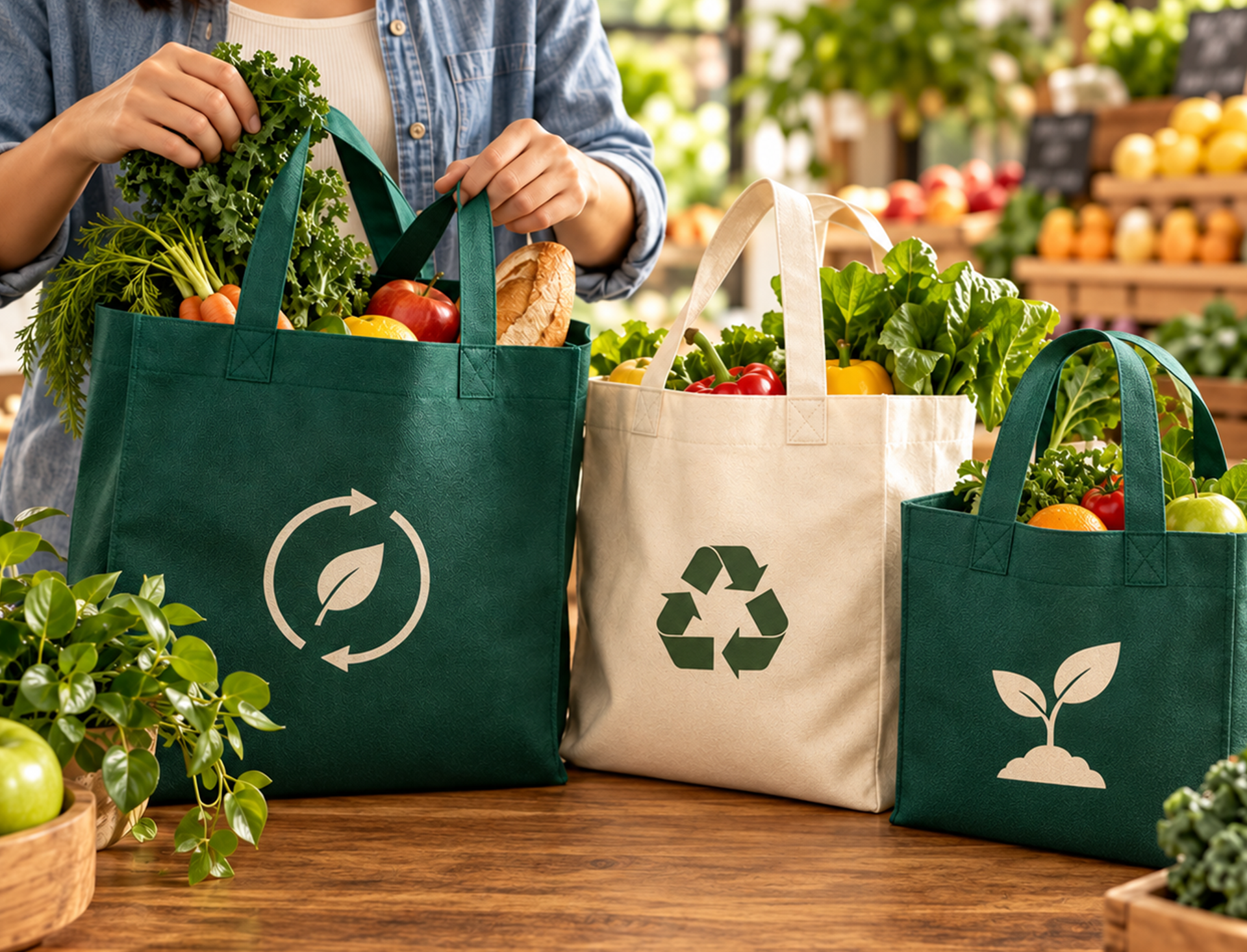
For grocery and retail checkout, compare paper, plastic and reusable shopping bags against typical basket sizes and carrying needs. The goal is enough capacity and strength to carry purchases reliably without routinely using an extra bag.
RediBagUSA offers stock and custom shopping bags, including paper and reusable options. When considering recycled content, assess suitability for the intended use. For reusable bags, consider how size, handles and durability will encourage customers to bring them back. Custom printing can support brand visibility across repeat shopping trips.
Recycled content and recyclability answer different questions. Check both the bag’s material composition and the available collection options when comparing alternatives.
Compare the full cost of daily use
Evaluate more than the price per bag. Track bags used per transaction, double bagging, packing speed, storage needs and damaged products. A small specification change may generate meaningful savings when repeated across departments or locations.
Trial one change, compare results and expand what works. RediBagUSA’s packaging experience, product development and customization capabilities can help businesses explore suitable materials, sizes and configurations.
Better packaging decisions begin with understanding the job each bag performs. From deli service to takeaway orders and retail purchases, that focus helps sustainability become part of efficient everyday operations.
To discuss your sustainability packaging needs, call us 1-800-517-2247 or email sales@redibagusa.com.
